
System types
Grid-tied solar system
A utility-interactive solar PV system: the lowest-cost way to cut electricity bills where the grid is reliable. Here are the advantages, limits and what to consider.
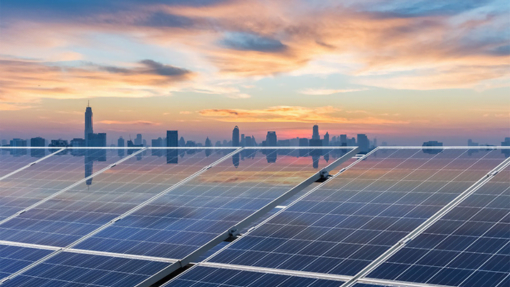
Looking to slash those hefty power bills? Considering a switch to solar? Welcome to Synergy Hybrid Solar. As a leading solar power company, we specialize in helping you embrace a cleaner, greener lifestyle while significantly reducing your electricity expenses through the installation of grid-connected solar power systems. Our systems, meticulously crafted by expert engineers, feature high-quality, durable components to ensure long-lasting performance.
Our solar power systems employ Grid-Connected Photovoltaics, with solar panels mounted either on rooftops or on the ground, harnessing clean, renewable energy. You can utilize this generated power to meet your property's energy needs, with any surplus electricity seamlessly fed back into the power grid.
One of the most prevalent types of solar systems is the On-Grid Solar Power System, which operates without batteries. These systems are not only cost-effective but also straightforward to design and install, boasting minimal components and user-friendly operation, making them a popular choice.
However, a potential drawback of On-Grid systems is the inability to store excess power without batteries. Any surplus energy produced is simply exported to the grid, and when additional power is required, it is drawn from the grid, bypassing the need for battery storage. Net metering can be particularly advantageous in this scenario, allowing solar system owners to offset their bills by exporting excess power to the grid and importing power when needed.
In the event of a grid outage, On-Grid solar system users may temporarily lose power, as the inverters automatically disconnect from the utility grid for safety reasons.
Advantages of on-grid solar power systems
They are seamlessly integrated with the existing utility grid, allowing users to draw power from both solar panels and the grid as needed. This means there's no need for costly battery storage, making the initial setup more affordable.
- Utility grid is used as a backup when solar power is less.
- Financial incentives like net metering can be made use of.
- Installation process is very easy
- It is the most inexpensive solar power system.
Disadvantages of on-grid solar power systems
One drawback is their dependency on the grid; during grid outages, these systems typically shut down for safety reasons, leaving users without power. Additionally, without battery storage, surplus energy generated during peak sunlight hours cannot be stored for later use, potentially resulting in wasted energy. Moreover, on-grid systems are subject to fluctuations in utility electricity prices, meaning users may not always see significant savings on their energy bills.
- Utility fees can be imposed on them.
- You are dependent on grid power. Once it is gone, even the solar power system goes out irrespective of whether the sun is shining or not.
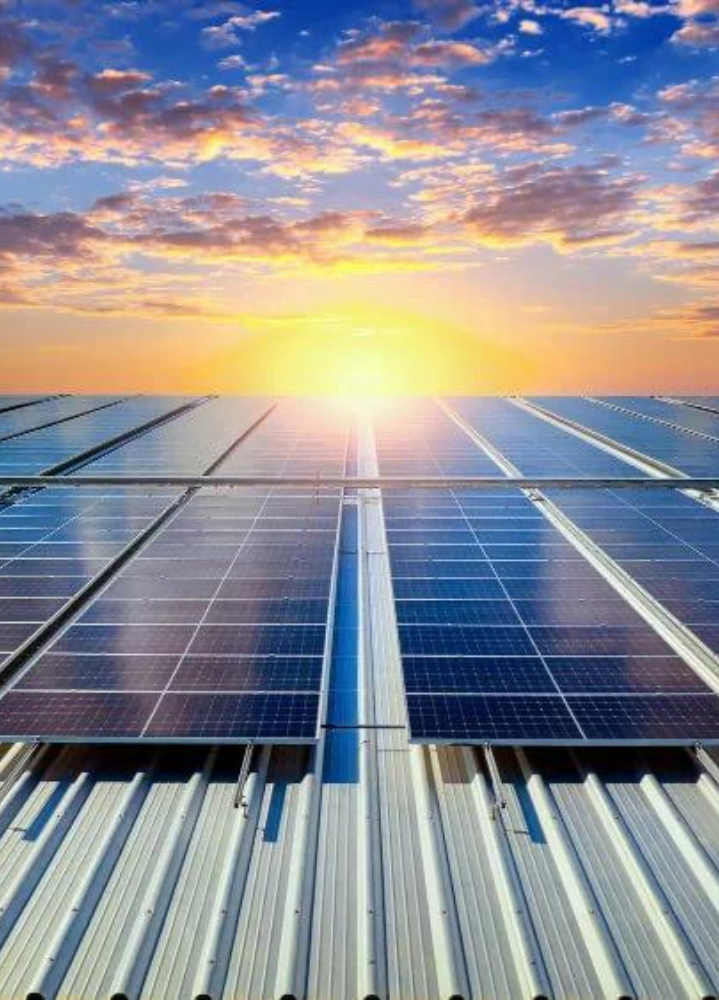
Further factors to consider regarding solar power systems
While selecting the type of solar power system for your location is undoubtedly pivotal, there are additional factors to consider, such as:
Solar Power System Size: The size of the solar power system you opt to install at your location hinges primarily on your energy needs and whether you intend to incorporate battery storage or generate electricity independently. Factors such as your power consumption habits and the amount of sunlight available for generation will influence the ideal system size.
Placement of Solar Panels: Although solar panels are commonly installed on rooftops, there are instances where ground-mounted posts may be utilized. This occurs when the roof is significantly aged, has an unconventional slope, or lacks adequate sunlight exposure.
Fixed vs. Sun Tracking Arrays: Solar arrays come in two varieties: fixed and sun tracking. Fixed arrays are the more prevalent option, being both cost-effective and straightforward to design and install. On the other hand, sun tracking arrays are employed to maximize solar power generation. By dynamically adjusting the angle of solar panels, sun tracking arrays ensure optimal exposure to sunlight, thereby increasing energy yield.
Solar Panel Material: Solar panels come in various materials, including crystalline silicon, monocrystalline, polycrystalline, and thin film. Solar installers possess the expertise to recommend the most suitable material for your solar power needs.
Solar Power System Financing: While some homeowners can afford to purchase a solar power system outright, others may require financial assistance. Loans are readily available for this purpose. Another viable option is leasing, which allows homeowners to enjoy the savings and financial incentives of solar power without the burden of upfront costs.
Make an informed choice
On-grid, off-grid or hybrid?
System type decides how batteries are used, what happens in a power cut and what you invest up front.
| Feature | On-grid | Off-grid | Hybrid |
|---|---|---|---|
| Grid connection | Required | Not needed | Connected |
| Battery storage | Not used | Required | Included |
| Power during outages | No (shuts down for safety) | Yes, from batteries | Yes, for selected loads |
| Net metering | Where DISCOM allows | Not applicable | Where DISCOM allows |
| Upfront cost | Lowest | Highest | Medium to high |
| Best for | Bill savings with stable grid | Remote sites without grid | Savings plus backup |
Links: grid-tied, off-grid and hybrid systems explained.
FAQs
Frequently asked questions
What is a hybrid solar system?
A hybrid solar system combines solar panels, a hybrid inverter, battery storage and a grid connection. Solar powers your loads during the day, surplus energy charges the batteries, and the grid tops up whenever solar and batteries are not enough. When the grid fails, the inverter can switch selected loads to battery backup.
Is a hybrid solar system the same as an on-grid system?
No. A standard on-grid system has no batteries and shuts down during a power cut for safety. A hybrid system adds batteries and an inverter that can keep chosen circuits running when the grid is down, while still working with the grid the rest of the time.
Will my whole building run during a power cut?
Not automatically. What stays on, and for how long, depends on battery capacity, inverter rating and which circuits are wired to the backup side. We list your essential loads first, such as lights, fans, Wi-Fi, a refrigerator or a borewell pump, and size the backup for them.
How much can I save on electricity?
Savings depend on your tariff, how much solar energy you use directly, system size, shading and DISCOM rules on net metering. As a rough guide, each kW of panels produces about 3.5 to 4.5 units a day in most of India. Use our calculator for an indicative figure; your proposal will show a site-specific estimate.
Can I add a battery to my existing solar system?
Often, yes. Depending on your current inverter, we either add a compatible battery and hybrid inverter or retrofit an AC-coupled battery system. We check inverter compatibility, wiring and warranties before recommending an upgrade.
How long do the batteries last?
Tubular lead-acid batteries typically last 3 to 5 years. Lithium iron phosphate (LiFePO4) batteries commonly last 8 to 12 years. Actual life depends on daily cycling, depth of discharge, temperature and maintenance.
Related pages
Keep exploring
Start with a conversation
Your smarter energy future starts here
Tell us about your home, facility or farm. We will recommend the right next step.